
Last Updated on April 10, 2026 by Ellen Christian
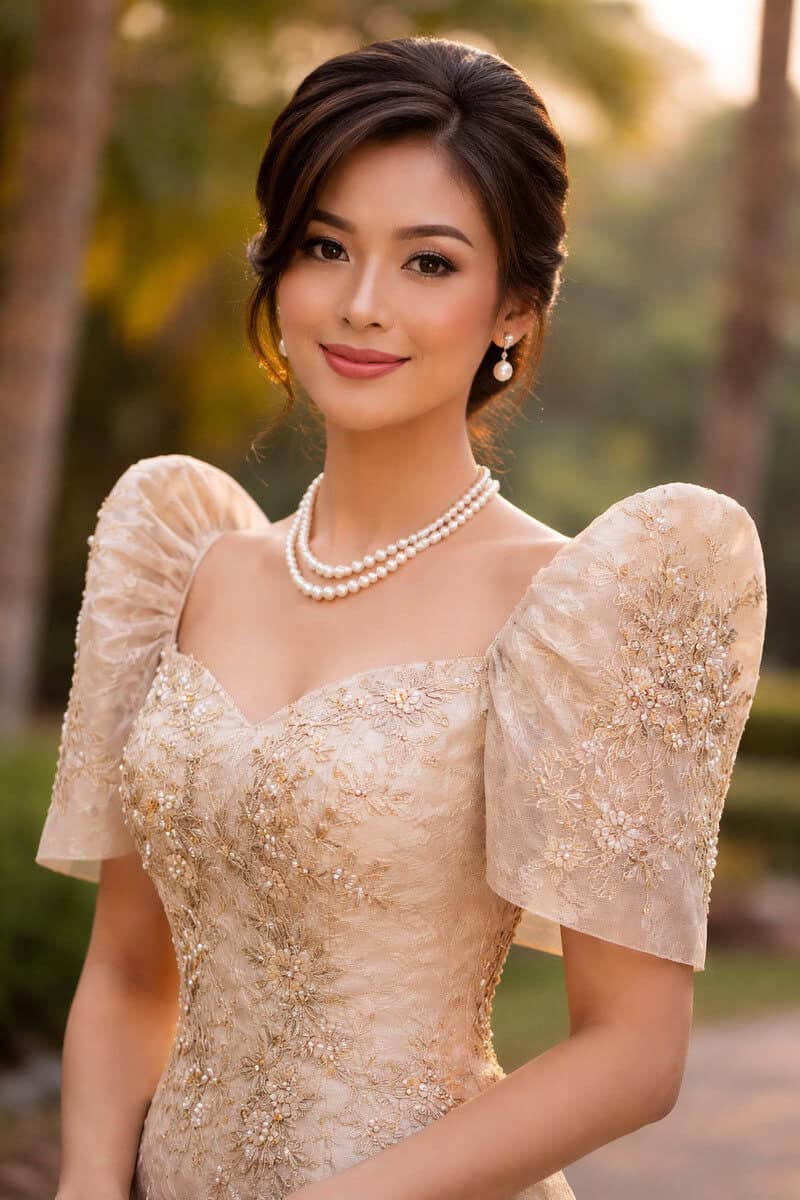
In Filipino clothing (filipiniana), the butterfly sleeve has always framed the body, indicated posture, and given even a simple silhouette a quiet elegance.
Posts may be sponsored. This post contains affiliate links, which means I will make a commission at no extra cost to you should you click through and make a purchase. As an Amazon Associate I earn from qualifying purchases.
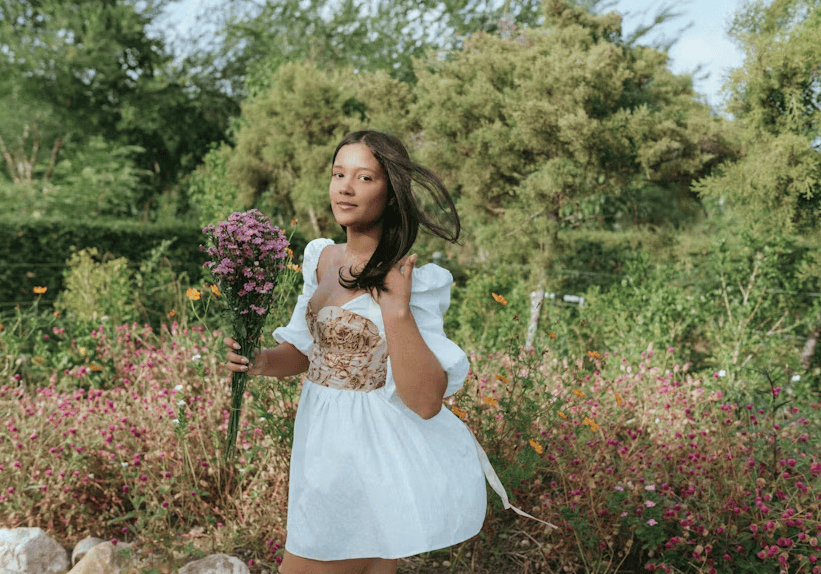
What is currently making the butterfly sleeve interesting again is not just its historical significance, but the way in which it is being worn more deliberately. The most successful designs are neither stiff nor overtly formal; they are deliberate, balanced, and surprisingly easy to wear.
Table of Contents
Proportions Determine Success
There exists no other way to describe it: a butterfly sleeve can be elegant within one ensemble and overpowering in another. Generally speaking, this decision lies in the proportions. If there is a dramatic sleeve but a busy bodice, or a similarly full skirt, all parts of the design compete with each other rather than working together.
Because the butterfly sleeve already provides so much visual weight, it attracts the eye both upwards and outwards. By providing a clean line across the neck, a defined waist, or a straight-line skirt, we create space for the sleeve to perform its function. Many times, this is why a modern filipiniana dress has strength in them when one aspect leads rather than all elements vying for attention simultaneously.
A good fit will greatly assist. Properly fitted sleeves on the shoulder give the appearance of architecture. A loose-fitting sleeve that slouches downward may cause the garment to appear more costume-like, regardless of how lovely the material is.
Fabric Determines Mood
Depending upon the type of fabric used to construct a sleeve with a similar shape, the mood of the garment can be dramatically altered. A stiff fabric will provide definition to the outline of the sleeve and allow for a sculptural quality. Fabric that is softer will create movement and a less formal feel.
While many believe that the style of filipiniana is determined primarily by cut, color, and texture, ultimately, the choice of fabric determines the overall tone of the garment. There are instances in which a lightweight and flexible fabric would be suitable for daytime events, and a stiffer fabric with sharp lines would suit evening events. Ultimately, neither option is better than the other. It depends on how much presence the garment requires.
Re-interpretation of classic styles is particularly appealing when fabrics are utilized to alter the tone of a traditional piece, such as the butterfly sleeve. At the same time, keeping the same basic form, an entirely new aesthetic can be created using varying weights and textures of fabrics.
The Elegance Of A Garment Depends Upon The Degree To Which It Is Wearable.
When you are wearing an article of clothing so beautiful that it prevents you from moving your arms, pulling down your bodice (the top of the dress), etc., you will find that by about 30 minutes, there is very little left for people to be impressed with. People will constantly pull up their sleeves, pull down their bodices, etc., just to keep their clothes in place while they move.
Therefore, those fashion designers interested in interpreting historic articles of clothing successfully create designs that provide comfort. A designer needs to make sure that the armhole fits comfortably under the wearer’s arm.
Additionally, the designer needs to ensure that the sleeve has enough stiffness or body to hold its shape when worn, but also flexible enough to allow unrestricted motion. At the same time, these may seem like small details, even the way the garment drapes when seated determines if one considers the garment to be elegant or only photographically beautiful.

The Socialite’s Closet is a style and beauty destination created for women over 45 who want to feel confident, modern and effortlessly put together. Here you’ll find fashion inspiration, beauty tips and easy-to-follow styling ideas designed for real life.